


Does your hair take forever to dry.? Do products just sit on top instead of soaking in? You might have low porosity hair. This is most misunderstood hair types out there. Most people never realize their hair fall into this category. They keep trying random products and wonder why nothing work.
Hair porosity mean how well hair absorb and holds moisture. Picture your hair strands like doors. Low porosity hair keeps those doors shut tight. Water and products struggle to get in. Once something get in struggles to get back out. That is why your hair feel dry on outside while holding onto old product buildup underneath surface.
A lot of people blame their shampoo or genetics for dull lifeless hair. They never realize porosity was the real issue all along. Once you understand what happens at the strand level everything starts to make sense. You stop buying random products and hoping for magic. Instead you start choosing things that actually match how your hair behaves.
This article breaks down everything you need to know about low porosity hair. We will cover the causes the signs and why this hair type needs a different kind of attention. Most importantly we will show you how to care for it properly so it finally get moisture and shine it deserves. By the end you should have a clear picture of your hair and a routine you can actually stick to.
What Does Hair Porosity Actually Mean


Let us quickly cover what hair porosity means before we dive into low porosity specifically. This foundation makes everything else easier to follow.
Every strand of hair has outer layer called the cuticle. This cuticle contain overlapping scales like shingles on roof or scales on fish. How tightly or loosely these scales sit determines porosity level. This single detail affects everything about how your hair behaves day to day.
Three main porosity types exist and every person fall into them whether they realize it or not.
Low porosity hair has cuticles that lie flat and close together. This make it hard for moisture to enter hair shaft. Products take much longer to show any visible results.
Medium or normal porosity hair has cuticles that sit slightly raised. This allow right amount of moisture in and keep it locked inside without much extra effort. People with this porosity type usually get lucky since most products work well without major adjustments.
High porosity hair has cuticles that lift up or even carry visible damage and gaps. Moisture goes easily but it escapes as fast. This leave hair dry and frizzy no matter how much product you apply.
Knowing your porosity type ranks among the most important things you can learn about your hair. It changes how you should wash condition and style your hair completely. A routine that work wonders for high porosity hair can make low porosity hair worse. This explain why many people struggle for years without knowing real reason behind their hair troubles.
Signs You Have Low Porosity Hair
Low porosity hair show some pretty clear signs you know what to look for. Here are the common ones people notice.
Products sit on top of your hair instead of absorbing. You apply leave in conditioner or oil. Instead of soaking in it just sits there looking greasy or leaves a white residue behind especially near the roots.
Your hair takes long time to get wet. Water beads up on your hair before it soak in. It can take several minutes just to fully wet your strands. This often surprises people who assume all hair wets the same way.
Hair take forever to dry. The closed cuticle blocks water from escaping too. If your hair stays damp for hours after a wash even under a fan this is a big clue.
Buildup happens fast. Products cannot penetrate easily so they build up on the surface of the strand instead. This can leave hair looking dull heavy and lifeless even after just a few days.
Hair appears shiny but feel dry. This confuses a lot of people. The flat cuticle layer reflects light nicely and creates shine. But the inside of the strand actually lacks moisture which creates a strange contrast.
Hair breaks easily despite feeling strong. Moisture cannot get inside properly so the hair becomes brittle over time. This happens even though the outer layer feels tough to the touch.
Spray bottles seem pointless. You spray water repeatedly but hair barely feels damp. The water sits on surface instead of soaking into strand.
Do most of these points sound familiar? You likely have low porosity hair. Try the float test for another easy check. Take clean strand of hair that fell out and drop it into glass of room temperature water. Low porosity hair floats for while before slowly sinking. High porosity hair tends to sink almost immediately while medium porosity hair sinks somewhere in between.
What Causes Low Porosity Hair

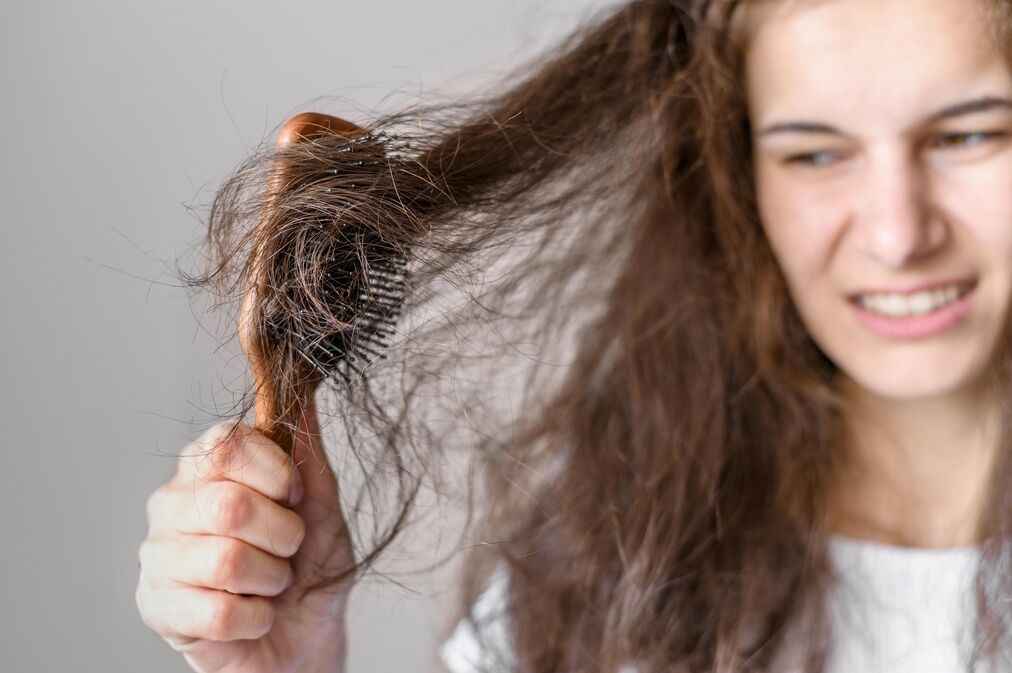
Low porosity does not just happen randomly. Real reasons explain why hair develops this tightly sealed cuticle structure. Some causes come from genetics and some come from daily habits and product choices.
Genetics Play the Biggest Role
For most people low porosity hair comes as something they were born with. It runs in families and show up in hair types thicker or coarser textures. Did your parents or grandparents have low porosity hair? You likely inherited the same cuticle structure passed down through generations.
Heavy Product Buildup
Heavy products with silicones and waxes can coat hair shaft over time. This buildup seals cuticle more than it sits. It blocks moisture from getting through the outer layer no matter how good the underlying product might be.
Overuse of Protein Treatments
Protein helps hair in the right amount but too much causes problems. It makes the cuticle stiff and tightly bound. Do you already have low porosity hair? Adding protein treatments on top can make your hair feel like straw and strip away its natural flexibility.
Hard Water Exposure
Hard water contain minerals deposit onto your hair strands over time. This mineral buildup block moisture and products from penetrating hair shaft properly. It can leave hair feeling rough to touch.
Natural Aging Process
Hair cuticles tighten and lose flexibility as we age. Some people develop low porosity characteristics later in life if their hair behaved differently when they were younger.
Chemical Damage Over Time
Repeated chemical processing sometimes creates an interesting pattern. Certain areas of the hair develop low porosity while other parts of the same head turn high porosity. This creates uneven porosity which gets trickier to manage. Different sections need different treatment approaches at same time.
Understanding root cause help you figure out best treatment. Is it genetic? Focus on consistent gentle care for the long term since this reflects your natural hair structure. Does buildup or hard water cause it? A good clarifying routine might make bigger difference faster than you expect within few weeks.
Why Low Porosity Hair Need Special Attention
Why can low porosity hair not just follow general hair advice? The cuticle layer behaves differently. Everything from your shampoo to how you dry your hair needs a slightly different approach.
Regular heavy creams and butters work beautifully on high porosity hair but can sit uselessly on low porosity strands. They just add weight and grease. Lightweight water based products work much better here. They actually get absorbed into the strand instead of coating the outside.
Heat also plays bigger role for low porosity hair than most people realize. The tightly shut cuticle needs a little gentle heat during deep conditioning. This lifts the cuticle scales just enough to let moisture in. Skip the heat and many low porosity naturals find their deep conditioner barely does anything at all no matter how expensive the product might be.
The order you apply products in matters a lot too. Water based products should go on before oil based ones. Water needs to get in first before oil can help seal it inside. Reverse this order and the water often never gets the chance to penetrate at all.
Timing matters more for this hair type too. Everything takes longer to absorb here. Rush through a wash day routine and the products never get the chance to actually do their job.
How to Properly Care for Low Porosity Hair


Now let us get into part you actually came here for. Caring for low porosity hair does not have to complicated. Just understand few key principles and build them into routine you can repeat.
Clarify Regularly
Buildup happens easily with low porosity hair. A gentle clarifying shampoo once every couple of weeks can make a massive difference. It removes product residue sitting on your strands and gives your hair a fresh start to actually absorb moisture.
Do not overdo it though. Clarifying too often strips your hair and leaves it feeling dry. Once every two to three weeks usually works well for most people depending on how many products they use.
Use Warm Water and Steam
Cold water seals cuticles nicely on high porosity hair but low porosity hair needs the opposite effect. Warm water during your shampoo and deep condition sessions gently opens up those tightly closed cuticles. This lets products actually do their job instead of sitting uselessly on top.
A steamer works wonders if you can get your hands on one. The gentle heat and moisture combination helps low porosity hair absorb conditioner properly. No steamer available? A simple plastic cap combined with a warm towel wrapped around your head creates a similar effect at home without spending extra money.
Choose Lightweight Water Based Products
Look for leave in conditioners and moisturizers with water listed as the first ingredient. These penetrate much more easily than heavy cream based products. Save your thicker butters and heavier oils for sealing in moisture at the very end of your routine.
Apply the LCO Method
The LCO method tends to work better than the LOC method that many curly girls swear by. LCO stands for liquid cream oil and follows a simple layering order.
Start with water based liquid to hydrate the hair thoroughly. Follow with lightweight cream to lock that moisture in without adding much weight. Finish with small amount of light oil to seal everything and add shine.
Low porosity hair struggles to absorb heavy products anyway. Keep each layer light and thin instead of piling on thick products all at once which usually just leads to greasy buildup.
Deep Condition with Heat
We covered how heat help low porosity hair but this point deserves repeating. It ranks among the most important steps in the entire routine. Add some form of gentle heat whenever you deep condition. Try a hooded dryer a heating cap or even just a warm towel wrapped snugly around your hair.
Leave your deep conditioner on for at least twenty to thirty minutes with heat applied. This gives the cuticle enough time to relax and actually let the product work its way inside.
Avoid Excess Protein
Limit how often you use heavy protein treatments unless your hair need it. Low porosity hair carries tightly bound cuticle structure. Too much protein make your hair feel stiff dry and prone to snapping under normal daily tension.
Balance protein treatments with plenty of moisture afterward. This keeps things in check and avoids overdoing either extreme.
Use the Baggy Method Overnight
The baggy method works simply. Apply moisturizer to your hair or specific sections then cover with plastic cap or bag overnight. This traps heat and moisture from your own body and creates mini steam effect while you sleep. Many people with low porosity hair swear by this trick. It give products time to penetrate the strand without any active effort during the night.
Watch Out for Hard Water
Does hard water contribute to low porosity struggles? Try shower filter or apple vinegar rinse. This remove mineral buildup and restore natural shine and softness.
Be Patient with Drying Time
Low porosity hair take longer to both absorb and release water. Plan your wash days accordingly. Avoid piling on product right before you need to leave. Your hair simply will not have time to dry properly and you end up with frizzy mess.
Air dry with patience or use diffuser on low heat. This give best results without causing extra frizz or weighing hair down further.
Section Your Hair During Application
Apply products to small sections rather than covering your whole head at once. This give each part of your hair fair chance to absorb the product. This small change alone often make noticeable difference for people who previously felt like nothing was working.
Ingredients to Look For and Avoid
Knowing what to look for product labels save you a lot of trial and error and fair amount of wasted money.
Look for ingredient like honey aloe vera and oils such as grapeseed or argan oil. These attract and hold moisture without weighing hair down or leaving.
Watch out for heavy butters like shea butter in large amounts silicones that are not water soluble and thick petroleum based products. These sit on top of the hair rather than nourishing it from within no matter how good they smell or feel initially.
Humectants like glycerin help low porosity hair especially well. They pull moisture from air into your strands. This gives a nice workaround for hair that struggles to absorb moisture through products alone. Keep one thing in mind though. In dry climates glycerin can sometime pull moisture back out of hair instead. Pay attention to how your hair respond depending on weather.
Common Mistake to Avoid
People with low porosity hair make care journey hard than need to be. Watch out for these mistakes as you build routine.
Do not use many products at once thinking moisture equal results. This lead to buildup and weighed down strands that look greasy rather than healthy.
Do not skip heat during deep conditioning sessions. Without heat your deep conditioner may not do much at all no matter how long you leave it sitting on your hair.
Do not wash your hair infrequently out of fear of dryness. This worsens buildup and suffocates hair further instead of helping it moisturized.
Do not ignore scalp health. Healthy scalp supports healthy hair growth regardless of porosity type. Give it gentle massage and regular cleansing.
Stay consistent. Hair porosity care need ongoing routine to keep cuticles balanced and strands properly hydrated over weeks and months. Do not expect overnight results.
Do not give up too. Low porosity hair responds slowly to changes. Many people quit a new routine before it even has a chance to show real results. Give new method at least few week before deciding whether it work for your hair.
Final Thoughts
Low porosity hair definitely come with its own set of challenges. But once you understand how it work taking care of it become much easier. Remember that your hair cuticle stay tightly sealed. This mean products gentle heat and patience become your best friends throughout this journey.
Every head of hair behaves differently. Do not afraid to experiment with guidelines and figure out what your strands respond to best. Pay attention to how your hair feel after each wash day and your routine as needed instead of following any single method blindly.
Low porosity hair become soft shiny and full of life with right approach. It need little extra care patience and the right techniques to truly thrive and reach its full potential over time.