


Some outfits whisper. Others shout. Old money style always whispers.
It skips the logos. Skips the trends. It never needs a designer price tag to look expensive. This is quiet luxury at its core — tailored, timeless and effortless. It’s the look worn by generations of the world’s most polished dressers. Think crisp button-downs and think camel coats. Think pieces that never go out of style.
Here’s the part most people miss: this look isn’t about money. It’s about knowing the rules. Once you understand them, old money style on a budget becomes simple. No inheritance required. No luxury closet needed. Just the right pieces, worn the right way.
That’s exactly what this guide delivers. Inside, you’ll find 25 elegant outfit ideas anyone can recreate. Each one is easy to follow and budget-friendly. Each one captures that expensive, put-together look you are after.
Building capsule wardrobe from scratch? This guide has you covered. Just want to refine what’s already in your closet? You’ll find that here too. Keep reading and you’ll never look at “expensive style” the same way again.
What Old Money Style Actually Means

Before you start picking out outfits it is worth understanding. What actually separates old money style from your average fast-fashion haul. It’s not about brand names at all. It comes down to a way of thinking: quality over quantity, calm over flashy, structure over whatever’s trending this week. Honestly, it’s more of a mindset than a shopping list.
The phrase itself comes from old, established wealth — families whose money had been around for generations instead of made last year. And their clothes reflected that. Nothing had to prove anything. Nobody needed a logo screaming the price tag. Clothes just had to fit properly, hold up over time, and look right no matter where you walked in wearing them. That’s the same attitude modern old money style borrows, minus the actual trust fund.
You’ll notice the look lean heavily on preppy, equestrian and country-club influences — tailored blazers, cashmere-style sweaters, crisp button-downs, tweed skirts, loafers that have clearly seen years. The colors stay quiet on purpose: navy, cream, camel, forest green, soft grey. There is real reason for restraint not aesthetics. Bright colors and bold print tend to feel dated fast. Neutrals don’t. A camel coat you bought decade ago still look completely current while last season’s “it” print feel little tired.
Fabric matters more than the label sewn into it. Wool, cotton, linen, silk — these hold up better than synthetic blends. They drape properly and they age well instead of pilling after a few washes. But if there’s one rule that matters more than any other, it’s fit. A $30 blazer that’s actually tailored to your body will always beat a $300 blazer that doesn’t sit right. That one idea alone is basically the whole secret to this look. And it’s exactly why it’s so doable no matter your budget.
Texture does a lot of quiet work here too. A lot of these outfits are really just a few different textures stacked together. A smooth cotton shirt under a slightly rough wool blazer or a silky blouse tucked under a structured coat. That mix of texture is what gives an outfit depth, without it ever looking busy or overdone.
And this is exactly why old money style works so well on a budget. The formula repeats itself, the color palette is forgiving and secondhand racks are basically full of this stuff already. You’re not paying extra for a trend that’ll be gone in six months. You’re building a way of dressing that just keeps working. Once the rules click — muted colors, fabrics that look natural, a good fit, nothing shouting a logo . You can apply them to half the things already sitting in your closet.
The Foundation: Building an Old Money Capsule Wardrobe
Every one of these 25 looks really comes down to the same small stack of pieces. That’s the whole secret here — it’s not about owning tons of unique stuff. It’s just a short list of solid basics, worn again and again in different ways. Get these in your closet and you’ve basically already got what all 25 outfits need.
- A structured blazer in navy, camel or grey — honestly the one piece that instantly make anything look put-together, even thrown over jeans and a tee.
- A crisp white or light-blue button-down. The shirt that just work no matter what you pair it with, dressed up or down.
- A cream or ivory turtleneck — cozy but still look great layered under blazer or coat.
- Wide-leg or straight-leg trousers neutral tones — comfortable enough for all day but look sharp for work or dinner.
- A pleated or A-line midi skirt — adds a bit of movement and softness without trying too hard.
- A knee-length wool or trench coat — the kind of coat that pulls an entire outfit together the second you put it on.
- A cable-knit or cashmere-style sweater — soft, easy to wear, and somehow never looks out of place.
- Dark, straight-leg denim — the jeans that go with literally everything else on this list.
- A collared polo — a small detail that makes even a casual outfit feel a little more finished.
- Loafers, ballet flats, and one pair of riding boots — cover pretty much every occasion between the three of them.
- A structured bag in leather or vegan leather, in a neutral color — practical, but still looks polished no matter what you’re wearing it with.
- Simple pearl or gold jewelry
Notice what’s not here — nothing trendy, nothing seasonal, nothing you’ll be tossing out next year. That’s on purpose. Every piece works because it goes with everything else. Blazer over the turtleneck. Turtleneck under the coat. Trousers with the polo, the sweater or the shirt — doesn’t matter. That’s the whole magic of capsule wardrobe: a few pieces quietly turning into more outfits than you’d expect.
Don’t rush and buy it all at once. Start with one blazer and one good pair of trousers, then add on as you can afford it. Since it’s all the same neutral color family, nothing clashes later, no matter when you buy it. Which also means you can shop clearance racks, thrift stores, whatever — almost anything neutral and well-cut just fits right in.
Once you’ve got the basics, mixing them is literally how you get to the 25 looks coming up. Thrift stores, outlet malls, and classic (not trendy) mid-range brands are your best bet for building this without spending a fortune. Consignment shops especially — older, well-made pieces show up cheap there all the time, since good tailoring just holds up better than fast fashion ever does.
25 Elegant Old Money Outfits to Recreate
Here are 25 outfit formulas grouped by occasion that embody the old money aesthetic. Each one can recreat with budget-friendly pieces — the elegance comes from styling not the price. They are organized by when you’d actually wear them from casual weekend to formal evenings so you can jump straight to what you need.
Read these as formulas not rigid instructions. Swap a skirt for trouser. Swap loafers for flats. As long as keep color palette neutral and silhouette tailored the outfit will read as old money.
Everyday & Casual Looks


The Classic Blazer and Jeans — A tailored navy blazer thrown over a white button-down, paired with dark, straight leg denim and good pair of loafers. Throw on leather belt and it instantly look more put together.
The Preppy Polo — A fitted polo tucked into pleated trouser with thin gold necklace and ballet flat to keep it light and put together rather than stiff.
The Cashmere Style Sweater and Trousers — A cream sweater tucked into camel wide-leg trousers, cinched with slim brown belt and finish off with simple flats. Effortless but still look intentional.
Weekend Riding Style — Fitted jodhpur-style pants, a snug quarter-zip sweater and ankle boots — it’s got equestrian look going on minus the actual horse.
The Tennis-Inspired Set — A white pleated skirt, a ribbed tank underneath and cardigan just draped over shoulders rather than worn — that small detail make the whole look feel effortless.
Relaxed Linen Look — Wide-leg linen trousers with linen shirt tucked in and sleeves rolled up paired with woven flats — perfect for running errands when it is warm out.
The Sweater Vest Layer — A sleeveless knit vest layered over collared shirt, worn with tailored shorts in summer or trouser once it cools down.
Country Club Casual — A quarter zip pullover, a pleated skirt, knee-high socks and loafers — sporty but still look polished enough for daytime plans
Office & Workwear Looks

The Power Trouser Suit — A matching blazer and trousers in grey or navy, worn over a silky blouse underneath — instantly looks like you’ve got it together.
Pencil Skirt Elegance — A knee-length pencil skirt with tucked in blouse thin belt to define waist and pointed toe flat to keep it from feeling stiff.
Layered Turtleneck and Blazer — A fitted turtleneck under an oversized blazer paired with tailored trousers — simple but like you thought about it.
The Structured Shirt Dress — A collared shirt dress cinched at waist with leather belt finished off with loafer for everyday.
Monochrome Neutral Set — All camel or beige top to bottom but mixing texture like wool and cotton it does not look flat or boring.
The Wrap Dress — A fitted wrap dress in one solid, muted color with a blazer draped over shoulders and simple pump to finish it off.
Evening & Dinner Looks


The Little Black (or Navy) Dress — A knee-length, structured dress, kept simple with barely any detailing, paired with pearl earrings and heels for that easy put together look.
Silk-Effect Blouse and Trousers — A satin-finish blouse tucked into high-waisted black trousers, with strappy heels to dress the whole thing up.
Velvet Accents for Evening — A velvet blazer or skirt mixed in with simple neutral basics — just enough to give the outfit some evening polish without overdoing it.
The Column Dress — A long, fitted dress in one solid neutral color, kept minimal with barely any jewelry and a sleek updo to let the dress do the talking.
Tailored Jumpsuit — A wide-leg jumpsuit cinched at the waist in navy or black, finished off with heeled sandals — polished, but way more comfortable than it looks.
Outerwear & Cold-Weather Looks

The Trench Coat Layer — A belted trench over any outfit instantly elevates it — pair with jeans and a sweater for effortless finish.
Wool Coat and Scarf — A camel wool coat, a cream scarf and leather gloves over simple sweater-and-trouser base.
The Quilted Vest — A quilted vest layered over a turtleneck, styled with straight leg trousers and boots for crisp weather days.
Plaid and Tweed Combination — A tweed blazer with a plaid skirt, tights and knee-high boots for classic academic-inspired outfit.
Accessory-Driven Looks

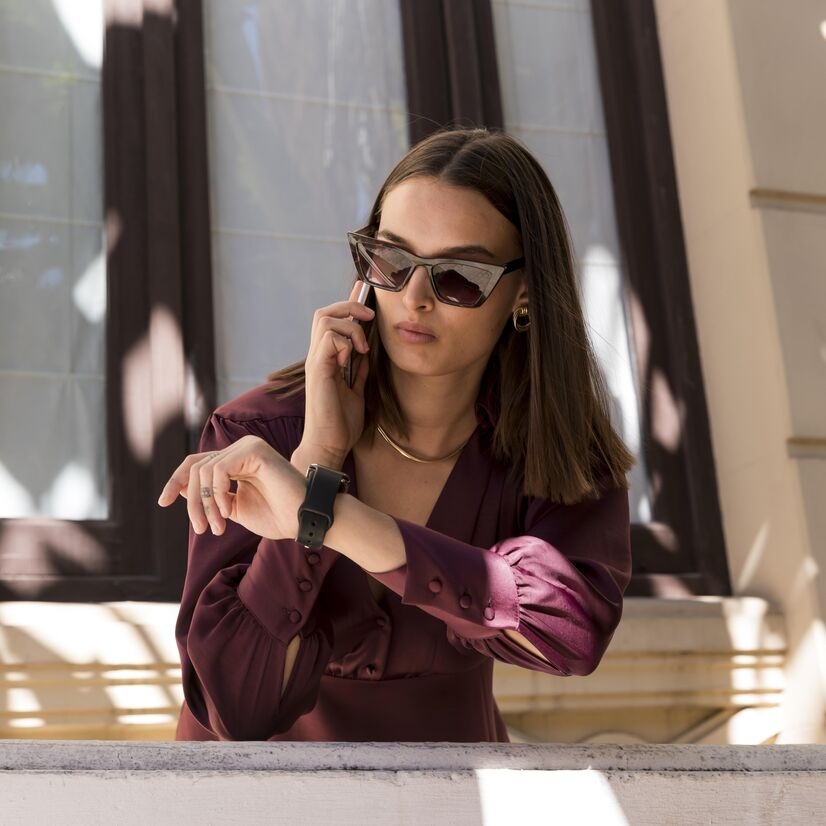
Minimalist Gold Jewelry Stack — Any simple outfit elevated with thin gold rings, a delicate necklace, and stud earrings — no logos, no excess.
The Structured Bag Finish — A plain neutral outfit paired with a structured top-handle bag in leather or faux leather, instantly reading as more expensive.
Each of these look prove the same point: the old money aesthetic is not about single item but combining classic silhouettes, neutral colors and quality looking fabrics in way that feel intentional and cohesive.
How to Achieve Old Money Style on a Budget

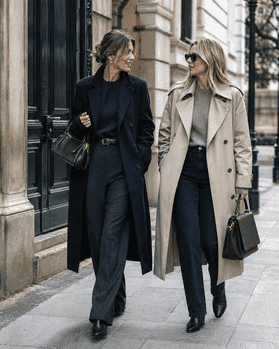
Achieving old money style on a budget comes down to strategy rather than spending. It is a skill, not a shopping list and it get easier the more you practice it. Here’s how to make it work without luxury budget:
Shop secondhand and thrift stores first. Old money style relies on classic, structured pieces that do not go out of style — which means secondhand shops are full of them. Blazers, wool coats, silk-effect blouses and leather bags from past decades often show up at thrift stores for fraction of their original price and because the aesthetic favors timeless cuts, a decade old blazer can look current as one bought yesterday. Check the tags for natural fibers before buying — this alone filter out most of the low quality stock.
Prioritize fit over brand. A cheap piece that actually fits you well will always beat an expensive one that doesn’t sit right. It’s worth setting aside a little money for tailoring — hemming trousers, taking in a blazer at the waist, shortening sleeves — because that alone can turn a $20 find into something that looks made just for you. Honestly, tailoring might be the best money you spend on this whole look, since fit is the first thing people’s eyes pick up on.
Stick to tight color palette. Neutrals are really the backbone of this whole style, and sticking to a narrow range makes it so much easier to mix pieces from completely different price points without anything looking off. Navy, cream, camel, black and grey — these basically go together so anything new you buy slots in with what you own. It save you from buys because the moment something does not fit the palette it is easy to spot and skip.
Invest in fabric quality where it matters most. You don’t need everything to be pure cashmere or silk, but going for natural fibers on the key pieces — a wool coat, a cotton button-down — just drapes and looks better than synthetic stuff, even if you’re not spending much. If money’s tight, put more of your budget toward outerwear and less toward basics — a coat gets seen (and touched) way more than almost anything else you own.
Avoid visible logos and loud branding. Old money style is basically defined by not showing off a brand name. Which actually work in your favor here, since plain, unbranded pieces are cheaper than logo heavy stuff and they blend in effortlessly with nicer items. A simple leather bag from a budget store will always look more expensive than logo covered one from a mall brand.
Care for your clothes properly. Ironing, steaming, and proper storage go a long way toward making budget pieces look polished. A wrinkled shirt look cheap regardless of its price tag, while a crisp, well-pressed one look put together even if it came from a budget retailer. Invest in a lint roller, a garment steamer and wooden hangers — small purchases that noticeably extend how expensive your wardrobe looks and feels.
Rotate a small wardrobe with confidence. Old money style doesn’t require a closet full of options. Wearing the same well-fitted blazer several times a week isn’t a budget compromise — it’s actually part of the aesthetic. A wardrobe of ten excellent pieces will always outperform a wardrobe of fifty mediocre ones.
Where People Usually Go Wrong
Even if you’ve got all the right pieces a few small habits can throw off the whole old money look. Most of these slip-ups happen when trend driven habits sneak into style that’s really built on restraint.
Overdoing prints and patterns. This style barely touches patterns — think subtle plaid or tweed, never anything loud or busy. One patterned piece per outfit is really the limit, and it should be paired with plain, neutral pieces rather than another print.
Mixing too many colors. Try to keep down to one or two neutral tones per outfit. Too many colors at once ends up looking more like passing trend than something timeless. If you’re not sure what to do, just go with one main color and one contrasting neutral — navy and cream is always a safe bet.
Going for overly trendy shapes. Super cropped or exaggerated cuts don’t really fit with the clean, tailored proportions this whole look is built on. Old money style leans into simple, classic lines — a straight-leg trouser over skinny jeans, a knee-length skirt over anything micro.
Skipping the fit check. Even a budget find needs to actually fit right — too loose or too tight and the polished look falls apart. If something’s close but not quite there, a tailor can usually fix it up for way less than buying something new.
Piling on too many accessories. This style works best with just a few meaningful pieces rather than a stack of trendy ones. One statement item — a structured bag, simple gold jewelry — is really all you need. Wearing several bold accessories together tends to look costume-y than intentional.
Chasing seasonal trends. Old money style basically ignores the fast-fashion cycle altogether. Try to avoid pieces that are clearly made to be worn for one season and then tossed — they rarely fit this aesthetic and rarely hold up anyway.
Neglecting your shoes and bag. Scuffed shoes or a worn-out bag can undo an otherwise perfect outfit fast. Keep your footwear clean and your bag in good shape — these are usually the first things people notice when judging quality.
Styling Old Money Looks Through the Seasons

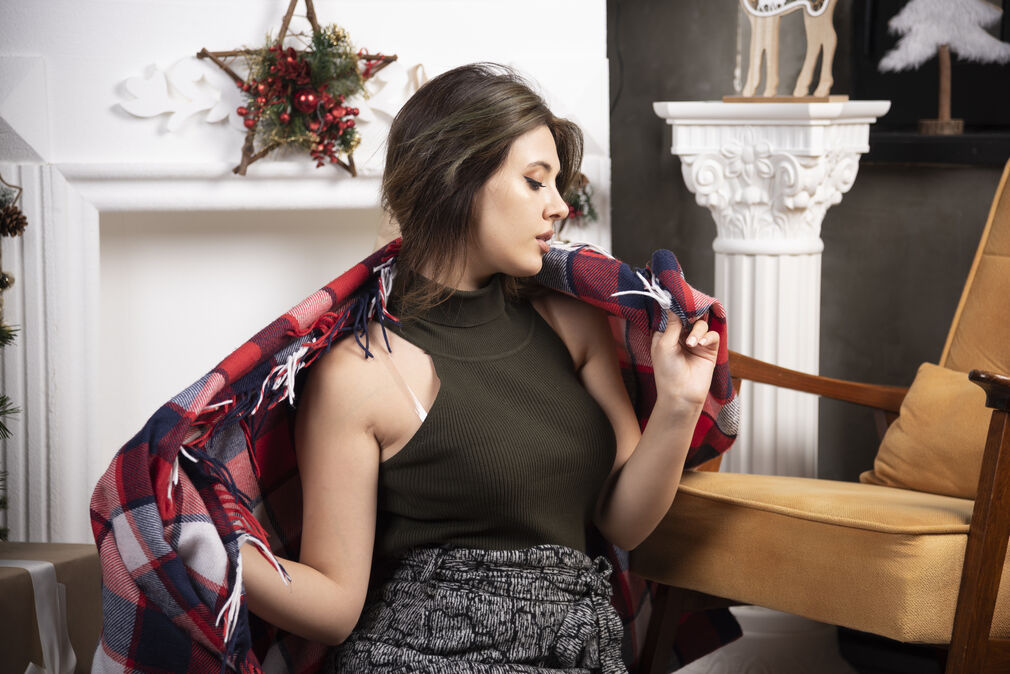
One advantage of aesthetic is how easily it adapt across the year without requiring whole new wardrobe. The core pieces simply layer differently depending on weather.
Spring calls for lighter fabrics in the same neutral palette — think linen trousers, cotton button downs and a trench coat instead of wool. Pastels work here but keep them muted rather than bright.
Summer lean into breathable materials: linen lightweight cotton and woven textures. Loafers can swapped for espadrilles or simple sandals and straw tote fit the aesthetic as well as structured leather bag.
Autumn is where aesthetic truly shine. Tweed, plaid cable knit sweaters and riding boots all come into play echoing the equestrian roots of style.
Winter is about outerwear. A wool coat, cashmere style scarf and leather gloves elevate the simplest base outfit. This is the season to look expensive on budget since one excellent coat can carry entire wardrobe of basics underneath it.
Across every season, the rules stay the same: neutral colors, natural-looking fabrics and clean silhouettes. Only the weight of the fabric changes.
Final Thoughts
The beauty of old money style is that it was never really about money to begin with — it’s about restraint, quality, and pieces that are built to last beyond a single season. By focusing on tailored silhouettes, a neutral color palette, natural fabrics, and minimal branding, you can recreate any of these 25 looks without needing a designer budget.
Old money style on a budget isn’t a compromise — it’s actually how this aesthetic has always worked best. The elegant expensive looking wardrobes are built overnight or with funds; they are built slowly with intention, one well chosen piece at a time. Start with foundational item lean on secondhand shopping and fabric do the heavy lifting.
Do not need to overhaul your closet overnight. Pick one look from the 25 above. Build it with what you already own. Add one secondhand piece if something’s missing. Then repeat with a second look next week. Small, consistent choices are what this aesthetic is built on — not single expensive haul.
The result is a wardrobe that looks timeless, polished and effortlessly refined — no trust fund required. That’s the real promise of old money style on a budget: elegance that’s earned through knowledge, not inherited through money.
The result is a wardrobe that looks timeless, polished and effortlessly refined — no trust fund required. That’s the real promise of old money style on a budget: elegance that’s earned through knowledge, not inherited through money.