I was driving home from work on a Tuesday when my dashboard lights just started flickering out of nowhere — like a cheap string of Christmas lights losing it. Then the radio just cut out. Then my headlights got noticeably dimmer, right there on a dark road, of all places.
First thought? “Great, my battery’s dying.” Second thought, after Googling at a red light like an idiot, was “oh no, this might actually be the alternator.”
Spoiler: it was the alternator. And I made it home with maybe four minutes to spare before the car died completely, right there in my driveway.
That whole thing taught me just how sneaky alternator problems can actually be. They don’t always announce themselves clearly, and a lot of people, myself included at first, end up mistaking the symptoms for a battery issue. So let’s actually go through this properly, what a failing alternator really looks and feels like, based on what I’ve been through and learned since then.
What Does an Alternator Actually Do?
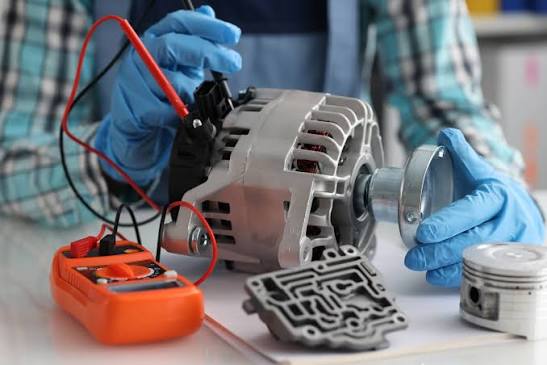
Before jumping into the warning signs, it helps to know what this thing actually does, because honestly, that context makes the symptoms make way more sense.
The alternator’s basically your car’s power plant while the engine’s running. It generates electricity to charge the battery and power all your electrical systems — headlights, radio, power windows, dashboard, the works. It does this using a belt connected to the engine. Which spins a rotor inside the alternator to generate alternating current. Which then gets converted to direct current your car can use.
Your battery, on the other hand, is mainly there to start the engine and provide backup power. Once the engine’s running, the alternator takes over as the primary electricity source. So when the alternator starts failing, it’s not just a battery problem. It’s an entire electrical system problem and that’s exactly why the symptoms can show up in so many different, sometimes confusing ways.
Warning Sign #1: Dimming or Flickering Lights

This one’s literally what happened to me and honestly, it’s one of the most common early signs something’s wrong with the alternator.
When the alternator’s not putting out enough steady power, your headlights and dashboard lights can dim, flicker or pulse, especially when you rev the engine or switch on extra stuff like AC or heated seats.
And here’s the thing, this symptom’s easy to just brush off. You might chalk it up to some random electrical glitch or blame it on old headlight bulbs but if it keeps happening, especially alongside anything else on this list, it’s worth actually taking seriously.
From what I went through, the flickering tends to get gradually worse over days or weeks rather than just showing up out of nowhere, though sometimes it can escalate pretty fast too.
Warning Sign #2: Dead or Weak Battery
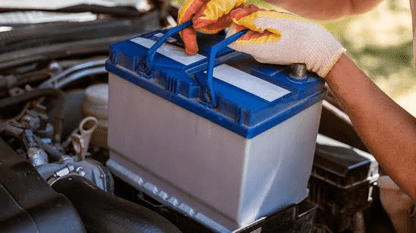
This is the symptom that confuses most people, myself included, at first anyway.
If your alternator’s not charging the battery right, the battery just drains, and you end up with something that feels exactly like a battery problem, slow cranking, trouble starting, or just a dead battery in the morning.
Here’s the tricky part though. A lot of people swap the battery figuring that’ll sort it out but then the same problem creeps back a week or two later. If you put in new battery and you’re dealing with power issues chances are it’s the alternator behind it not the battery.
Quick way to tell them apart:
- If the car’s a bit slow to start after sitting overnight. But once it’s running it seems totally fine that one’s kind of a toss-up, could be the battery could be the alternator.
- If the car dies while you’re driving, or shortly after starting, even with a brand-new battery, that’s a much stronger sign it’s the alternator.
Warning Sign #3: That Weird Noise Under the Hood
Alternators have parts inside, bearings and stuff, that wear down over time and once they do they start making noise.
Listen for a grinding, whining or growling sound coming from front of the engine. If it gets louder the second you hit the gas that’s pretty telling sign. That means the bearings or the belt connected to the alternator are wearing out.
Honestly, this one’s easy to miss if you’ve got music on or you’re just not really listening. But if you roll your window down for a second and catch something weird coming from under the hood, get it checked out sooner rather than later.
Warning Sign #4: Burning Smell
This one’s a bit more alarming, and for good reason.
A failing alternator can sometimes produce a burning rubber or hot electrical smell. This can happen because of a slipping belt which creates friction and heat or from internal components in the alternator overheating.
If you ever catch a burning smell coming from your engine bay don’t just ignore it. Pull over safely when you can and get it checked. It’s not just an alternator concern either — burning smells can point to several different issues but a struggling alternator is definitely on the list of possible causes.
Warning Sign #5: That Dashboard Warning Light
Most modern cars have this battery shaped warning light on the dash and even though it looks like it’s about the battery it’s actually usually tied to the whole charging system alternator included.
If that light comes on while you’re driving, it doesn’t mean you need to pull over and panic right away. But it does mean you should get the charging system looked at soon-ish. Some cars will just throw a check engine light instead depending on the make and model.
Ignoring this light is honestly one of the more common mistake people make mostly because the car keeps running fine for a while after it comes on. But that grace period doesn’t last forever and eventually the battery drains enough that the car either won’t start or just dies on you while you’re driving.
Warning Sign #6: Electrical Issues Throughout the Car
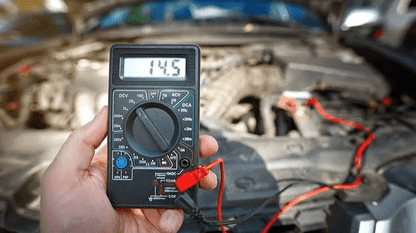
Since the alternator powers essentially every electrical component in your car a failing one can cause a whole range of seemingly unrelated issues.
Here are some electrical symptoms worth watching for:
- Power windows moving slower than usual
- Radio cutting in and out or resetting unexpectedly
- Dashboard gauges acting erratic or jumping around
- Interior lights dimming when you start the car
- Infotainment system glitching or restarting
Individually, any one of these could be a small unrelated issue. but if you’re noticing several of them happening around same time your alternator is a reasonable place to start investigating.
Warning Sign #7: Difficulty Starting the Car

A weak alternator means the battery never gets charged and that’s what leads to those slow or hard starts.
You might notice the engine cranking slower than usual taking few tries to start or sometimes not starting at all. This usually gets worse over time as the alternator keeps weakening.
After testing this myself with a failing alternator years back. I noticed the starts got noticeably worse over about a week and a half before the car finally wouldn’t start at all one morning. It wasn’t sudden — it was a slow decline and looking back, there were plenty of warning signs I brushed off.
Warning Sign #8: Stalling While Driving
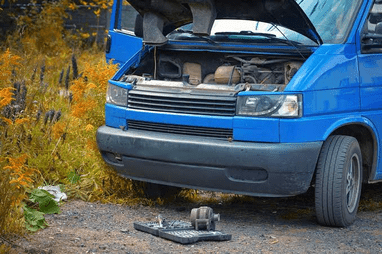
This one’s honestly one of the scarier symptoms, and it’s the one that actually convinced me to get my car checked right away.
If the alternator fails badly enough while you’re driving, the car can actually stall out. Modern engines depend a lot on electrical systems to keep running, not just to start up in the first place.
This is genuinely dangerous, especially at higher speeds or in traffic, so if your car stalls out of nowhere and you’ve got a feeling it’s electrical, don’t put it off, get it checked as a priority.
Warning Sign #9: Growling or Whining Sounds
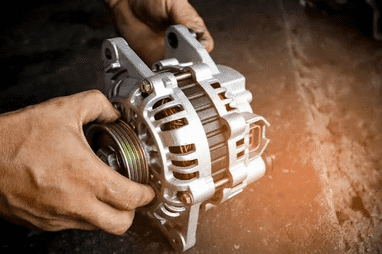
I mentioned strange noises earlier but it’s worth breaking this down a bit further because there are a couple of distinct sound patterns worth knowing.
A whining noise that changes pitch with engine speed often points to a failing alternator bearing. A growling or grinding sound, on the other hand can indicate the internal components are wearing down more severely.
Either way, unusual sounds from the alternator area shouldn’t be ignored. Based on general best practice, if you’re not confident diagnosing the exact sound yourself, it’s worth having a mechanic listen to it in person, since sound-based diagnosis over text or phone descriptions is genuinely tricky even for experienced folks.
Warning Sign #10: You Jump-Start It, and the Light Comes Right Back
Here’s one specific situation worth knowing about. Your car dies, you jump it and then the battery warning light comes right back on soon after or the car just dies again not long after you start driving. That’s usually a bigger red flag for the alternator than just a dead battery.
A healthy alternator should be recharging the battery as you drive after a jump. So if light comes back or car struggles again pretty quick chances are the charging system just isn’t doing its job.
Common Mistakes People Make
Through my experience and talking to others who’ve dealt with this few mistakes come up again and again:
- Replacing the battery first without testing the alternator. This can end up costing more overall if the real issue was the alternator all along.
- Ignoring early symptoms like dimming lights. These often start subtle and get worse gradually, so early attention saves hassle later.
- Continuing to drive after a stall. If your car stalls due to electrical issues get it looked at before driving long distances again.
- Assuming all electrical issues are unrelated. When a bunch of small electrical problems show up around the same time, they’re all coming from one cause.
What To Do If You Think Your Alternator’s Going Bad

Noticing a few of these symptoms? Here’s a practical straightforward approach:
- Get the charging system tested first. Most auto parts stores will test your battery and alternator for free. It’s a good starting point before spending money on a full diagnostic.
- Check the belt. A loose or worn belt near the alternator can sometimes cause the same kind of symptoms. And honestly, it’s a way cheaper fix if that ends up being the real problem.
- Cut back on electrical accessories you don’t need running if you think the alternator’s acting up. At least until you get it looked at. That keeps the system from having to work harder than it needs to in the meantime.
- And don’t just brush off dashboard warning lights — even if the car feels totally normal otherwise.
- Not confident diagnosing it on your own? Get a professional to check it out. These alternator issues can escalate from something you barely notice to a complete breakdown quicker than you’d think.
Final Thoughts
Dealing with a failing alternator isn’t fun, especially when it catches you off guard — like it did with me on that dark road with dimming headlights. But the good news is, the warning signs are there well before the car completely dies on you. You just have to know what to look and listen for.
If you’re noticing any combination of these symptoms, don’t brush it off the way I did at first. A quick test at your local auto parts store or a trusted mechanic, can save you from an unexpected breakdown. And honestly, give you some real peace of mind on your next drive. Take care of your car.
FAQ’s
Is it possible to drive with a bad alternator?
Yes for a while at least. Depends how bad it’s failed though. Basically the car’s just running off whatever’s left in the battery, and once that runs out, everything electrical starts getting weak until the car stalls or won’t start back up. Not something you want to count on for driving.
How long does an alternator usually last?
Usually somewhere between 80,000 and 150,000 miles but that’s not set in stone. Depends on how you drive, where you live and how much you’re using the car. Hot weather, lots of short trips, running a ton of electrical stuff. All of that wears it down faster than just normal, steady driving would.
Is it the battery or the alternator that’s causing my car troubles?
Easy way to check — if you jump-start it and it dies again pretty quick, or that warning light comes right back, that’s usually the alternator talking. But if it jump starts fine, holds the charge and starts up normally after that it’s probably the battery.
Can I drive with a failing alternator to get to a mechanic?
I wouldn’t, honestly, especially not far. The car could just die on you out of nowhere, and that’s a real problem if you’re in traffic. If you absolutely have to drive somewhere close, at least turn off stuff you don’t need — radio, AC, all that — just to take some pressure off but towing it or getting it checked sooner is the smarter move.
How much does it typically cost to replace an alternator?
Depends on your car, honestly — make and model change things a lot. You’re paying for parts and labor both, since getting to the alternator isn’t always simple. Best thing to do is just call up a mechanic you trust and get a quote — that’ll give you the real number for your car.